


Rising Cases of Measles
A concerning rise in measles cases across at least 12 states in the United States has health officials on high alert, fearing that this outbreak could be a precursor to a broader resurgence of other long-controlled vaccine-preventable diseases such as polio, rubella, and mumps.
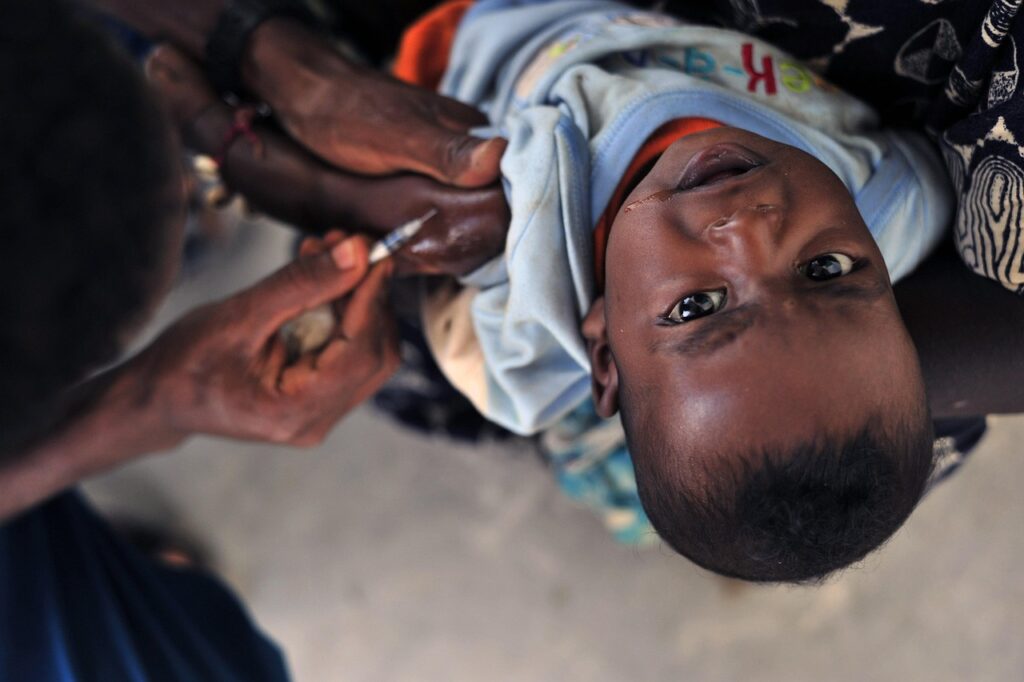
As of March 6, 2025, the Centers for Disease Control and Prevention (CDC) reported 222 confirmed cases of measles, including one death and another under investigation. This rapid spread, nearing the total of 285 cases reported for the entire year of 2024, has prompted experts to emphasise the critical role of vaccination in maintaining public health
Harbinger of Other Diseases
“It really is a harbinger,” warned Dr. Adam Ratner, director of pediatric infectious diseases at NYU Langone and Hassenfeld Children’s Hospital, New York. “When we start to see a decrease in vaccination rates, measles outbreaks are the first thing you see, and often what follows are the other vaccine-preventable diseases.”
The highly contagious nature of measles underscores the necessity of high vaccination coverage to achieve community immunity, a concept Dr. George Rust, a professor at Florida State University College of Medicine, prefers over “herd immunity.” He stated that a vaccination rate of 95% is needed to effectively prevent measles from spreading, compared to about 80% for polio.
Drop in Vaccination Rates
Alarmingly, national vaccination rates for measles during the 2022-2023 school year stood at 93.1%, with a concerning 5% vaccine exemption rate in 10 states, according to the CDC. The ongoing outbreak in Texas, which has seen a surge to 223 cases from 159 in the previous week, highlights this vulnerability. Notably, Texas health officials report that 80 of the affected children were unvaccinated, with the status of 74 others under investigation.
Experts attribute the declining vaccination rates to various factors, including the formation of under-vaccinated communities where misinformation about vaccines can spread.
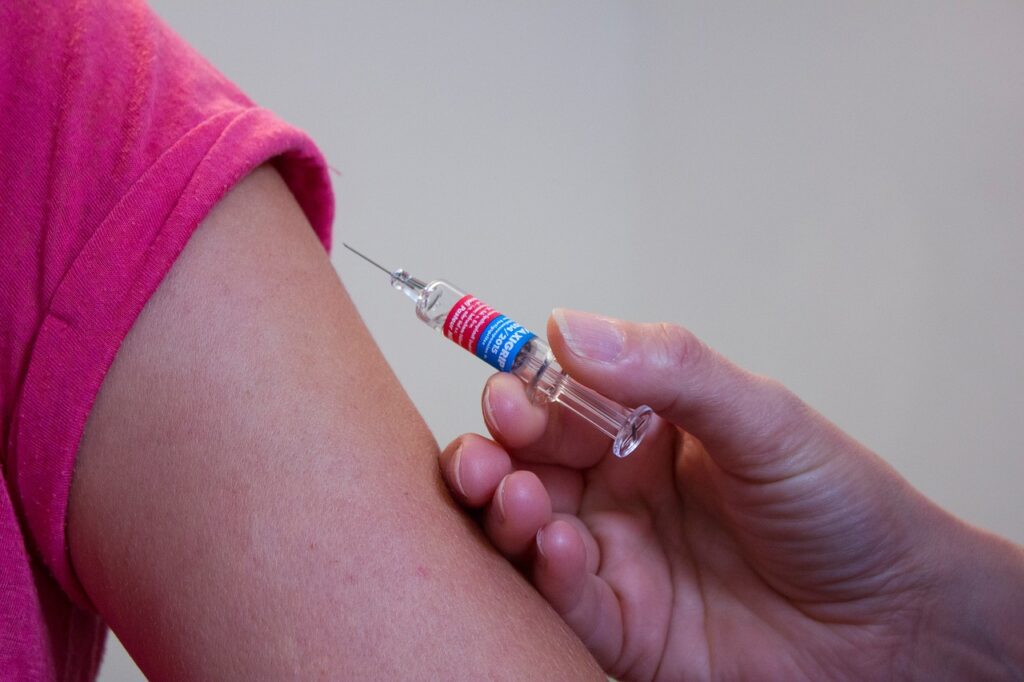
“We have pockets of under-vaccinated and sometimes substantially under-vaccinated people,” explained Dr. William Schaffner, an infectious disease professor at Vanderbilt University Medical Center.
Infectiousness of Measles
The infectiousness of measles is significant, with one infected individual potentially spreading the virus to 12 to 18 others. This, coupled with the virus’s ability to linger in the air for up to 90 minutes after an infected person has left a room and a long incubation period of 10 to 14 days, makes containment challenging.
The current situation has amplified concerns about the potential re-emergence of polio. “It would not take much for polio to get established again,” cautioned Dr. M. Anthony Moody, a pediatrics and immunology professor at Duke University School of Medicine. He noted that polio continues to circulate in other parts of the world. While the U.S. saw a high polio vaccination rate of 95% in 2019-2020, this has since dropped to 92.6% in 2023-2024, raising concerns about vulnerable pockets of unvaccinated individuals.
Furthermore, declining measles vaccination rates also threaten the protection against mumps and rubella, as the same MMR vaccine provides immunity against all three diseases. Mumps, a viral infection affecting the salivary glands, can lead to serious complications like brain inflammation. Rubella, while typically milder in children, poses a significant risk to pregnant women, potentially causing miscarriage, stillbirth, and birth defects.
Healthcare professionals hope that the current measles outbreak will serve as a critical reminder of the importance of vaccination. Dr. Steven Furr, board chairman of the American Academy of Family Physicians, emphasised the proven effectiveness of long-standing vaccines.
“For the vaccines that have been around for 20, 30, 40 years, there’s really no reason to question these older vaccines that have been shown [effective] over and over,” he stated.
Personal Autonomy vs Community Protection
Dr. Rust highlighted the delicate balance between individual choice and community responsibility in public health. He warned that an overemphasis on personal autonomy could erode the collective commitment needed to protect the population from preventable diseases.
Controversy Surrounds Health Secretary’s Comments on Measles
Meanwhile, comments made by the newly appointed Secretary of Health and Human Services (HHS), Robert F. Kennedy Jr., regarding the ongoing measles outbreak in Texas have drawn sharp criticism from infectious disease experts.
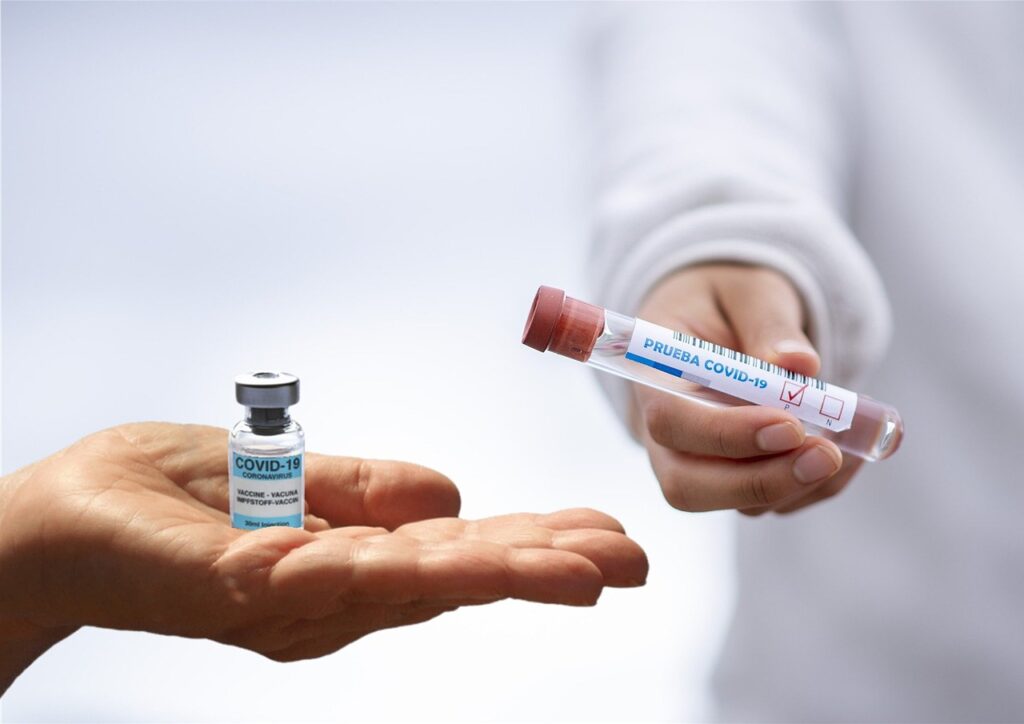
Since late January, the outbreak, primarily affecting unvaccinated individuals in Gaines County, Texas, has resulted in 481 cases, 56 hospitalisations, and tragically, the deaths of two young girls. Kennedy, known for his skepticism towards vaccine safety and efficacy, recently appeared in an interview where he discussed alternative approaches to managing infectious diseases.
Kennedy suggested that vitamin A, particularly through cod liver oil, could be a safe and effective prophylactic and early treatment for measles, citing purported studies. However, experts like Dr. Paul A. Offit from the Children’s Hospital of Philadelphia refuted this claim, stating that while vitamin A can be helpful in some measles cases, it is not a substitute for vaccination and that the volume of cod liver oil needed for a therapeutic dose would be impractical and potentially harmful due to the risk of hypervitaminosis A.
Kennedy also alluded to malnutrition in the affected community as a contributing factor to the severity of the measles cases, suggesting that healthy individuals are unlikely to die from the disease. Dr. Offit countered this, emphasising that measles was a significant cause of childhood mortality before vaccination, even among healthy children. Dr. Patrick E. Jackson from the University of Virginia echoed this, stating that vaccination remains the best option for individual and public health.
Anecdotal Reports
Furthermore, Kennedy cited anecdotal reports of “vaccine-injured” children within the affected Mennonite community, contributing to vaccine mistrust. However, experts like Dr. David M. Higgins and Dr. Glenn Fennelly dismissed these claims as unsupported by scientific evidence, highlighting the well-established safety profile of the MMR vaccine.
Kennedy’s assertion that infectious diseases pose little threat to healthy individuals in modern times was also strongly challenged. Experts cited data on global infectious disease mortality and the significant number of deaths and hospitalisations caused by diseases like influenza and even measles in the United States.
“Healthy people die everyday from infectious diseases,” emphasised Dr. Higgins, underscoring the critical role of vaccination in preventing severe outcomes and protecting public health. The controversy surrounding the HHS Secretary’s statements highlights the ongoing challenges in combating misinformation and promoting evidence-based public health practices in the face of infectious disease threats.
